
The NBA officially enters the prediction market era
Author: Zen, PANews
On October 26, the NBA officially announced its entry into the prediction market, partnering with two major prediction market platforms, Kalshi and Polymarket.
According to the NBA's official announcement, Kalshi and Polymarket will become the league's preferred prediction market exchanges. The cooperation includes multiple integrity protection measures for events, such as restrictions on event contract types, prohibiting NBA league and team personnel from trading related contracts, and establishing a mechanism for information sharing regarding suspicious transactions and investigations.
As part of the collaboration, both platforms will also gain rights to use NBA intellectual property, marketing promotion rights, and access to event data through the official data distribution partner Sportradar for the operation and settlement of related event contracts.
To ensure that NBA-related prediction markets are appropriately regulated and protected for integrity, the NBA has also signed a Memorandum of Understanding (MOU) with the U.S. Commodity Futures Trading Commission (CFTC), focusing on cooperation and information sharing related to the NBA prediction market.
In addition to the priority partnership with Kalshi and Polymarket, the NBA has also expanded its existing partnership with DraftKings to include prediction markets and promotional activities across the United States, planning to establish similar relationships with more existing sports betting partners and industry companies in the coming weeks.
"As this field (prediction markets) continues to develop, we believe it is crucial to engage in constructive cooperation with regulators and operators to ensure appropriate safeguards are in place," emphasized Scott Kaufman-Ross, head of NBA media distribution and partnership business, in the announcement, stating that protecting the integrity of the games is the league's top priority.
In the balance between event integrity and commercial interests, the NBA is trying to find a new equilibrium. Behind this collaboration lies a deeper market change.
NBA-Related Prediction Markets: A Multi-Billion Dollar Business
In July of this year, which team 41-year-old LeBron James would choose as his next stop became a focal point of discussion among media and fans, and one of the most watched sports events in the prediction market.
Surrounding the transfer destination of this aging NBA superstar, Kalshi and Polymarket generated a total trading volume of approximately $275 million, with Kalshi reaching $228 million and Polymarket about $46.23 million. A player's career choice thus became a financial trading event worth hundreds of millions of dollars.
And "James's next team" is just a microcosm of the entire prediction market scale.
Today, sports have become the largest category by trading volume for both Kalshi and Polymarket. A study released by the Pew Research Center in September 2026 showed that during the FIFA World Cup, the global combined monthly trading volume of Kalshi and Polymarket grew from about $25.7 billion in May to $53 billion in July, doubling within two months.
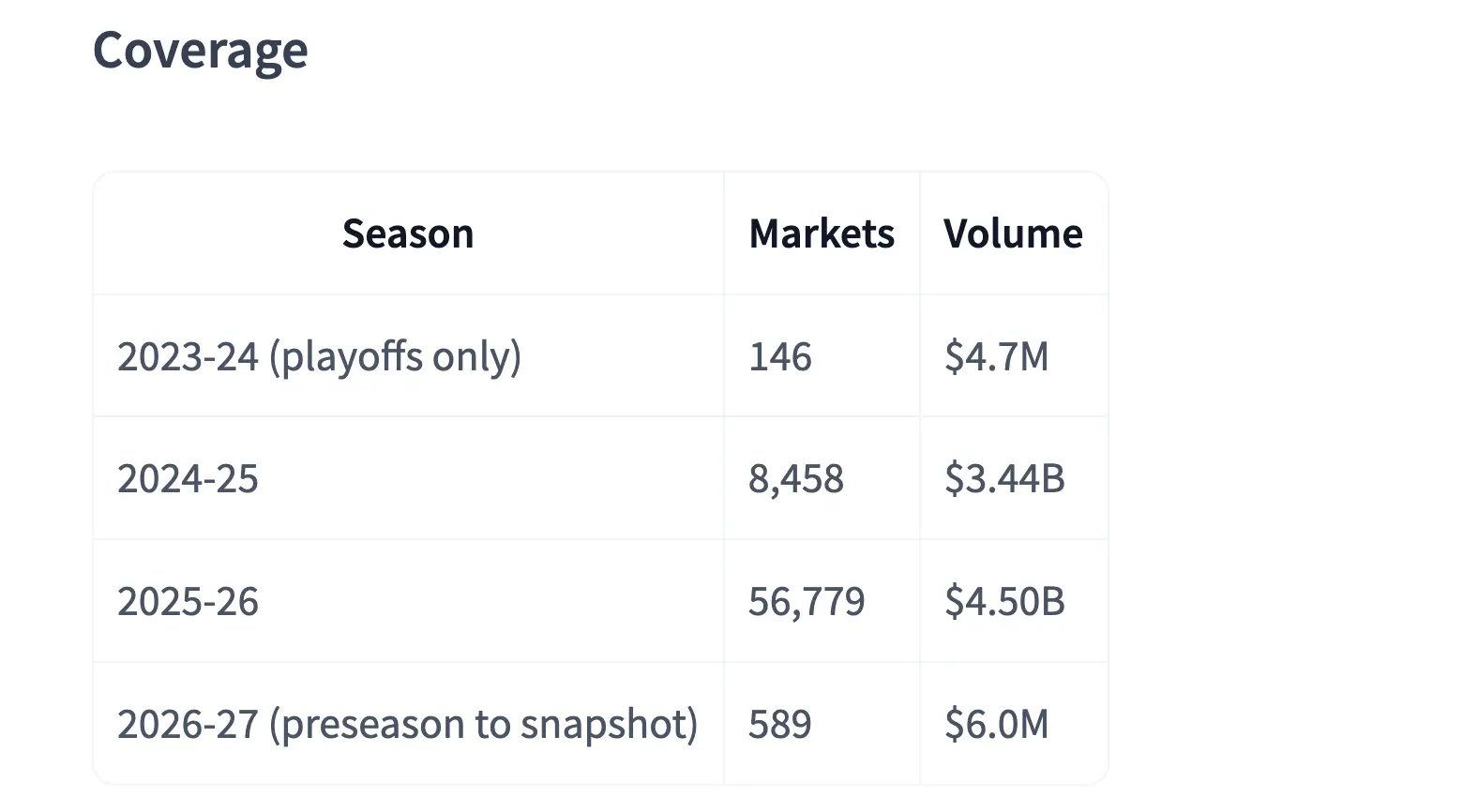
Specifically for NBA-related prediction markets, according to data compiled by independent researcher epinnock based on Polymarket's public API, the total trading volume of NBA event contracts for the 2024-25 season is approximately $3.44 billion, while contracts for the 2025-26 season reached $4.5 billion, covering various event contracts such as game outcomes, player performances, championship titles, and player trades.
Kalshi also has a large NBA trading market. According to publicly available datasets from researcher Jon Becker, as of late November 2025, the number of Kalshi's NBA single-game outcome contracts (KXNBAGAME) reached 784, with a total nominal trading volume of approximately $1.684 billion.
Comprehensive Penetration into the NBA Commercial Ecosystem
As the market size rapidly expands, prediction market platforms are also beginning to penetrate the NBA's commercial ecosystem through star endorsements, venue sponsorships, and media collaborations.
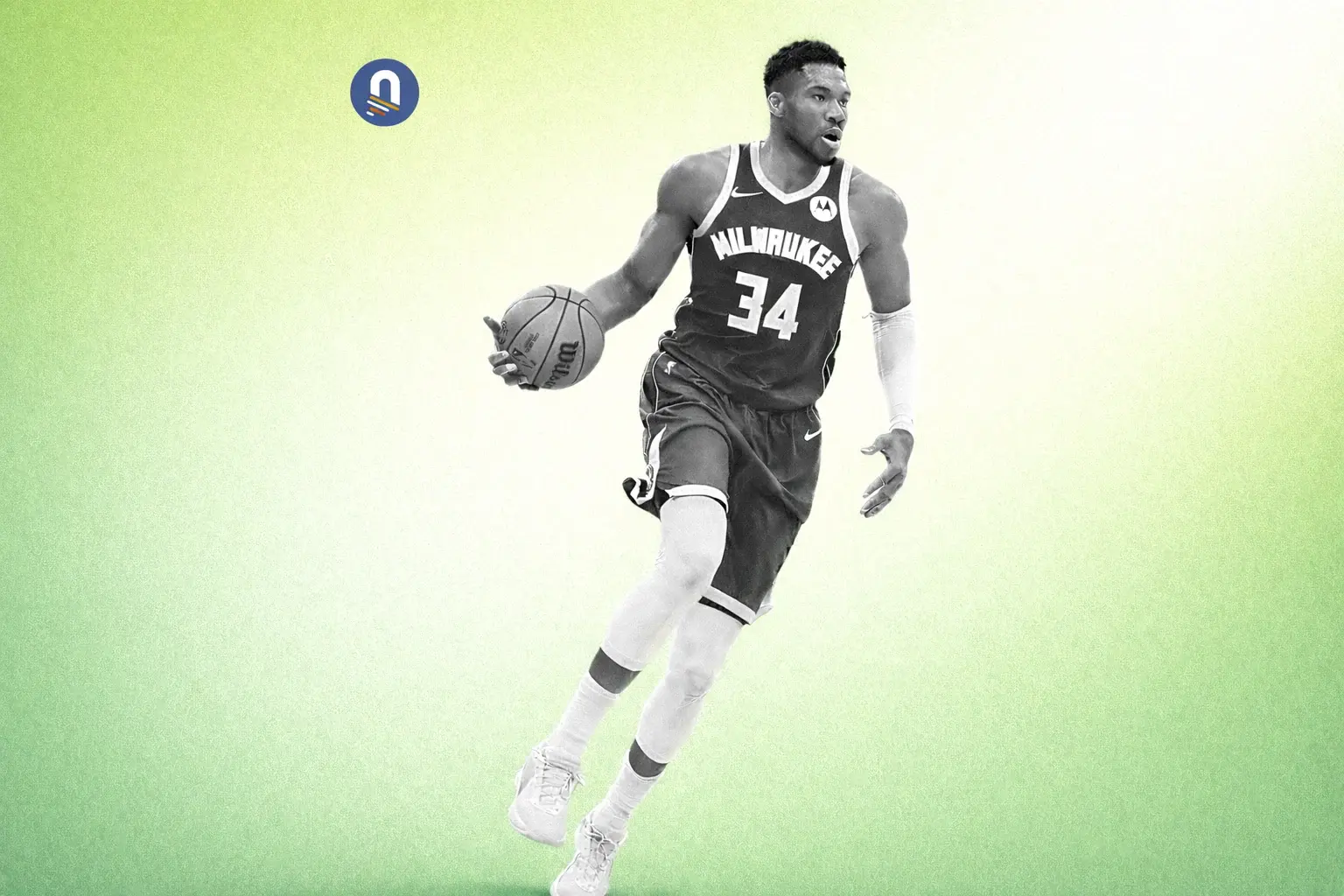
In February of this year, Giannis Antetokounmpo, the star player of the Milwaukee Bucks, announced that he had become a shareholder of Kalshi, acquiring less than 1% of the company. Just before the signing, the market was speculating whether he would be traded by the Bucks, with a total trading volume of over $23 million on Kalshi regarding his next destination. This collaboration raised questions about conflicts of interest. Kalshi later emphasized that Antetokounmpo is prohibited from participating in any NBA-related event contract trading.
Reference Reading: "Why did NBA star Antetokounmpo's investment in Kalshi spark public outrage after a $23.3 million bet on his stay or leave?"
In May of this year, Kalshi reached a multi-year collaboration with MSG Entertainment, the operator of Madison Square Garden, home of the New York Knicks, becoming the official prediction market partner of the venue. According to the agreement, the sixth-floor concourse of the venue was officially named "Kalshi Concourse," and Kalshi also gained advertising displays inside and outside the venue, digital interactive activities, and media promotion rights with MSG Networks.
It is worth noting that Kalshi did not sign a direct contract with the Knicks. However, during the NBA playoffs, Kalshi utilized advertising resources at the entrance of Madison Square Garden to promote prediction market contracts for the Knicks vs. 76ers game.
Before the NBA's official entry into the prediction market, the league's stance had always been to prohibit teams from establishing direct commercial partnerships with prediction markets. Previously, Front Office Sports reported that some NBA teams had proactively contacted prediction market platforms to establish independent partnerships. However, at that time, the league did not approve these transactions, citing the need to first establish sufficient event integrity protection measures.
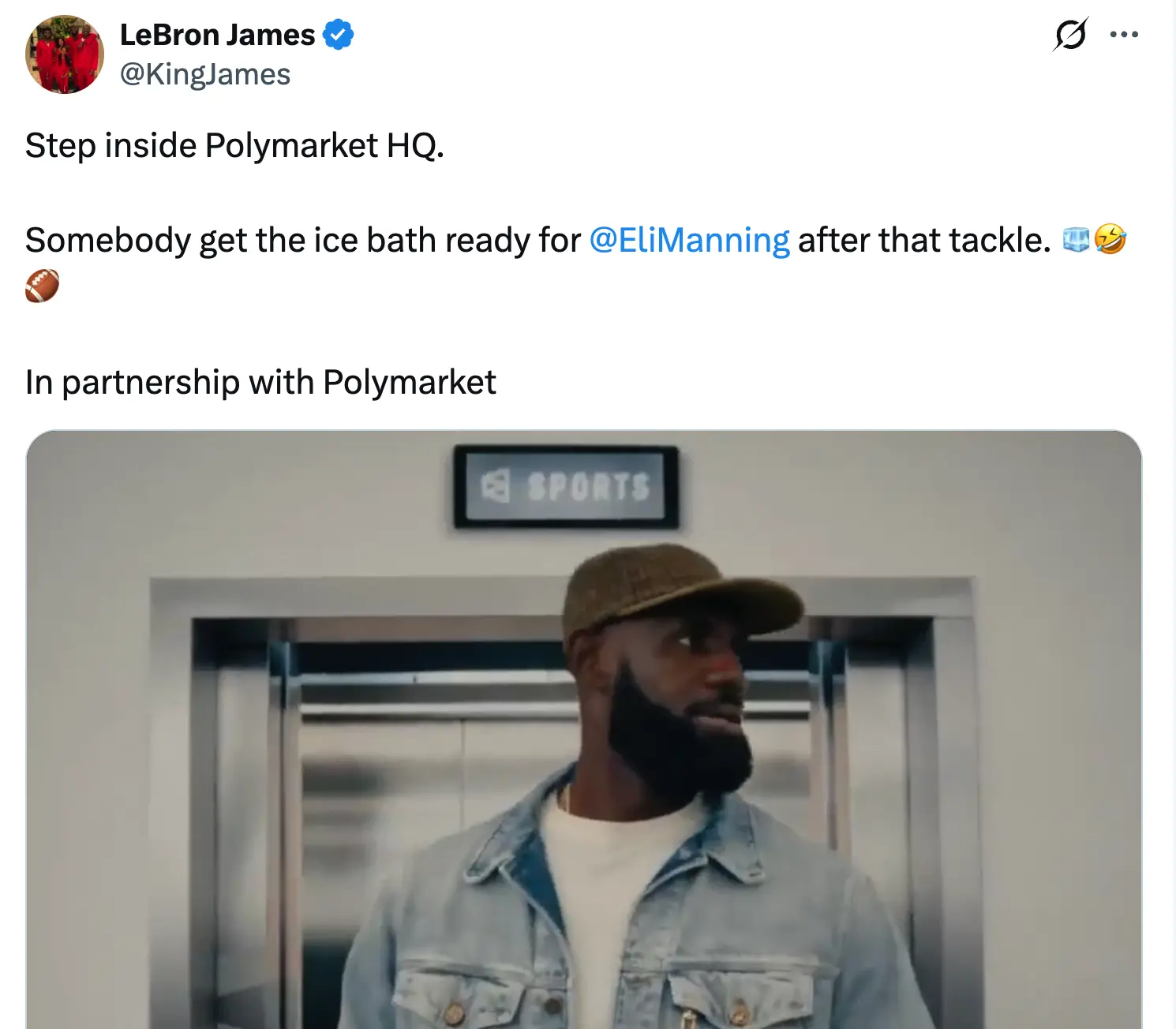
In September of this year, James, who joined the 76ers, announced a commercial partnership with Polymarket. According to Front Office Sports, his endorsement fee reached $15 million per year, with promotional content mainly focused on American football, not involving NBA events.
In early October, Minnesota Timberwolves star Anthony Edwards also signed a multi-year brand endorsement agreement with PrizePicks. PrizePicks, originally known for daily fantasy sports products, has also been expanding into the prediction market business in recent years.
As prediction markets continue to penetrate the NBA's commercial ecosystem through different channels, the league is clearly unwilling to remain on the sidelines. The NBA's decision to enter at this time also signifies its desire to regain its voice in related commercial activities. Addressing potential insider trading and match-fixing risks is a problem the league must solve.
Is the NBA Forced to Collaborate with Prediction Markets? The NBA Has Its "Difficulties"
In this collaboration with prediction market platforms, both platforms have obtained "NBA intellectual property usage rights." The NBA IP here mainly refers to the NBA logo, team logos, other protected visual materials, and related brand licensing rights, rather than authorization for prediction markets to establish NBA-related event contracts.
In fact, prediction markets can establish event contracts without NBA permission and do not constitute infringement. This is because objective facts such as NBA game outcomes, player scores, and team trades are generally not subject to copyright protection.
As early as 30 years ago, the NBA had sued over similar issues and ultimately lost.
In 1996, Motorola launched a pager called SportsTrax, which allowed users to obtain NBA game scores, remaining time, possession information, and more. The data was collected by a partner company, STATS, through watching game broadcasts, listening to radio broadcasts, and transmitted to the device.
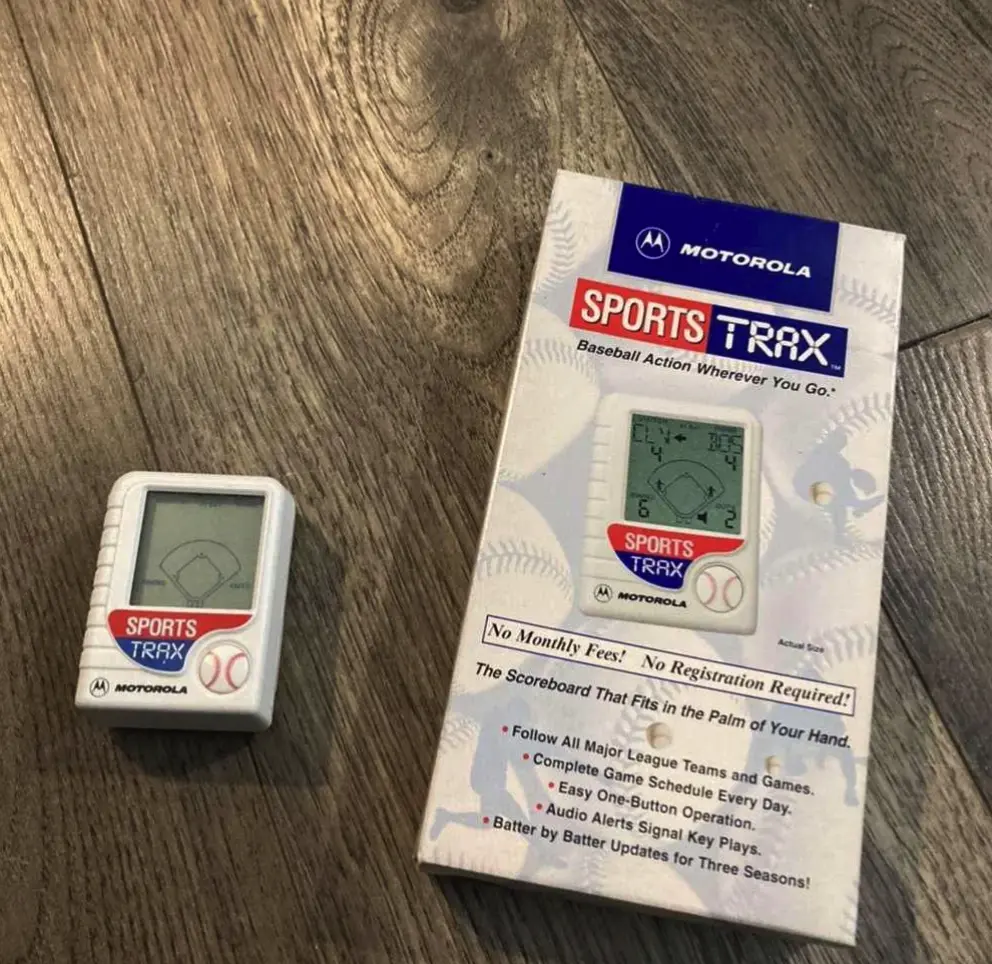
The NBA believed that this unauthorized commercial behavior infringed on the league's rights to game information and therefore sued Motorola. However, the U.S. Court of Appeals for the Second Circuit ultimately ruled that basketball games themselves are not original works protected by copyright law, and facts such as scores cannot become exclusive copyright property simply because the NBA organized the games.
The court also emphasized that television broadcasts of NBA games are protected by copyright, but Motorola was obtaining and disseminating factual information from the games, without reproducing the protected broadcast expression.
This ruling still has significant implications for the commercialization of event data today. For Kalshi and Polymarket, as long as they obtain public information through legal channels, they can design contracts around objective events such as NBA game outcomes and team performances. The NBA cannot simply prohibit third parties from predicting public game results based on its organizational rights.
Therefore, as prediction markets grow, this legal boundary has actually begun to present real regulatory challenges for the NBA.
Especially with the recent gambling scandals in the NBA, the league has had to remain vigilant. Having widely collaborated with gambling platforms, the NBA has started to tighten its management of sports betting products. On October 16 of this year, the league proposed new restrictions to sports betting partners, prohibiting offerings on easily manipulated betting items such as first goals and jump ball winners.
Previously, when Kalshi and Polymarket had not signed contracts with the NBA, they were not bound by the agreements the league had with traditional bookmakers. The NBA could require DraftKings and FanDuel to remove certain high-risk betting products but found it difficult to demand consistent action from prediction market platforms.
The NBA has certainly been aware of this issue for some time. In April of this year, the league submitted comments to the CFTC, requesting a ban on prediction market contracts involving player trades, injuries, referee calls, and league disciplinary actions, arguing that these events are susceptible to insider information and manipulation.
Thus, on some level, establishing a series of collaborations with prediction markets is a strong measure the NBA is attempting to fill this regulatory gap. This creates a reciprocal relationship: the NBA provides official branding, data, and commercial resources, while the platforms accept the integrity protection requirements set by the league.
As Adam Silver, who had just taken over as NBA Commissioner in 2014, stated when advocating for the legalization of sports betting: the demand for sports betting already exists objectively, and keeping it underground will only increase regulatory difficulties. Legalization, identity verification, abnormal transaction monitoring, and responsible gambling mechanisms can help maintain fairness in games.
How Much Purity Is Left in Basketball?
The collaboration between the NBA and prediction markets is leading to increasingly apparent divisions of opinion within the league.
Just a week before the NBA officially announced its partnership, Dallas Mavericks star Kyrie Irving accepted a media interview, discussing the impact of social media and sports betting on professional basketball. Irving believes that social media and betting have permeated modern NBA, and the league today is very different from the NBA he loved as a child.
Irving stated that when he entered the league in 2011, players did not need to participate in frequent training and meetings regarding betting and social media issues like they do now. The development of the NBA is becoming more mechanized, while what he still loves is the game of basketball and the competition itself.
San Antonio Spurs star Victor Wembanyama took a more explicit stance. On October 1 of this year, when asked in an interview whether he would be willing to endorse a sports betting platform, Wembanyama unequivocally answered no and expressed that he felt sad about some players promoting betting products.
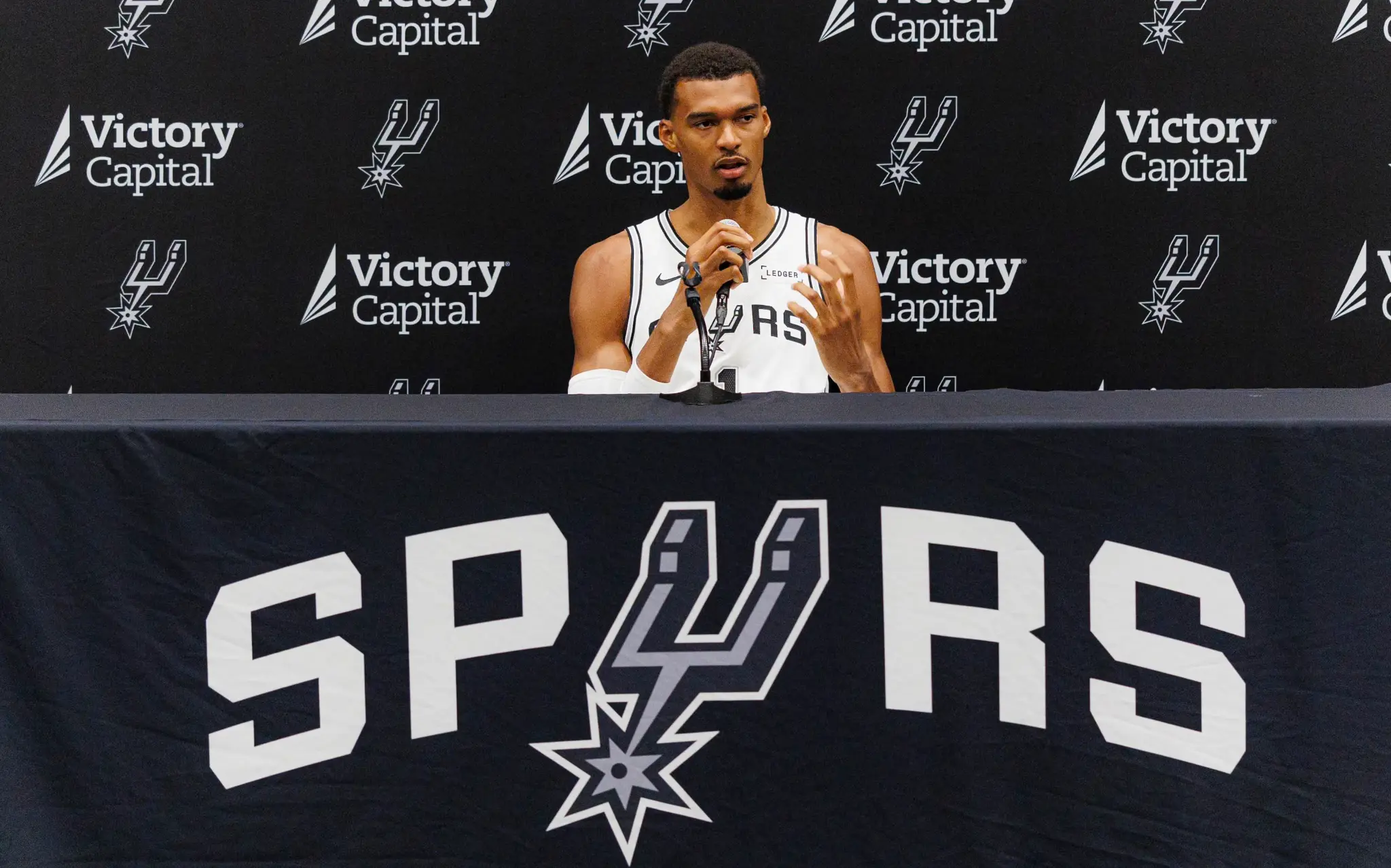
Wembanyama also revealed that he had turned down business opportunities that were far more lucrative than his current sponsorship income because these collaborations did not align with his personal values. In his view, one of the most important influences of professional athletes is their ability to inspire young people, so he hopes to promote products that can bring positive impacts to society.
Wembanyama's strong statement quickly sparked media discussions. At that time, LeBron James had just announced a partnership with Polymarket, while Giannis Antetokounmpo had already become a shareholder of Kalshi, and Anthony Edwards was preparing to become a brand ambassador for PrizePicks. As top NBA stars, they made different choices regarding the commercialization of betting.
Regarding this divergence, ESPN commentator Stephen A. Smith gave a relatively tolerant response. On the October 2 episode of "First Take," he stated that Wembanyama's adherence to his principles is worthy of respect, but it is also understandable for other players to choose to accept commercial endorsements. Since the NBA, sports media, and related businesses are generating revenue through betting, it is difficult to solely ask players to forgo such commercial opportunities.
Among the fan community, a significant portion also feels uneasy about this.
"Accepting sports betting is clearly a bad idea, and I really don't understand what Silver is thinking. Especially with prediction markets, which should clearly be completely illegal, being legalized is too dangerous." In the NBA community on Reddit, there were numerous critical voices in the comments section regarding the NBA's contracts with Kalshi and Polymarket.
Some fans are concerned that betting advertisements and related products are excessively intruding into the game experience, making viewers increasingly focused on odds rather than basketball. Others associate this with referee controversies and player injuries, worrying that commercial partnerships further undermine public trust in the league's fairness.
Of course, some comments offered different views: since prediction markets already exist, allowing the NBA to have some contract management rights could at least limit trades involving high-risk events such as injuries and insider information, and provide more means to investigate abnormal trades.
These discussions highlight the real contradictions faced by professional sports today. Especially considering that the NBA has previously experienced referee betting scandals, players manipulating personal data for betting, and multiple investigations surrounding insider information. For the NBA, these trades create new business opportunities but also generate new risk management responsibilities.
Commercial partnerships can bring revenue to the league, and market monitoring technology can help detect abnormal trades, but any scandal involving game manipulation will further erode fan trust.
The NBA has officially entered the era of prediction markets—more games, players, and basketball stories will become subjects of event contracts in the future.
For the league, the most important thing is to ensure that fans believe that every shot, every defense, and the final outcome during the game are determined by genuine athletic competition.